Overview of RCBM Services
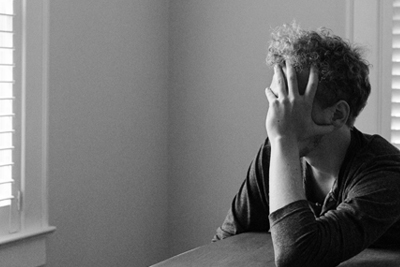
The Rochester Center for Behavioral Medicine offers an array of mental health and substance abuse services in our comprehensive outpatient setting. Our practitioners work collaboratively within their expertise, through medication management, psychotherapy, and nutrition therapy, in order to deliver the highest quality care.
Addiction Medicine Related Services and Programs
Cognitive Behavioral Therapy
The Rochester Center for Behavioral Medicine uses Cognitive Behavioral Therapy (CBT) for the treatment of anxiety and depressive disorders. This therapy combines behavioral exposure therapy along with cognitive restructuring to help enable the patient to confront avoidance, correct negative automatic thoughts, and return to optimal functioning.
Read More
Read More
Individual Therapy
Individual psychotherapy is an approach in which all therapists at Rochester Center are highly trained. Individuals receive assistance in addressing issues related to self, family, school and work. Clients who chose to participate in individual therapy work together with their therapist to gain insight and increase coping skills in order to improve general mental health.
Read More
Read More
Medical Nutrition Therapy
Medical Nutrition Therapy Services At RCBM, the nutrition therapy process includes a food and behaviors assessment, health and treatment history, interface with treatment providers, along with meal and treatment planning. A thorough assessment paves the way for a successful nutrition counseling experience. Review of food intake and behaviors, evaluating the meal plan, evaluation of…
Read More
Read More
Medication Management
Many of the treatment plans developed at the Rochester Center for Behavioral Medicine include neuropsychiatric medication. When we prescribe these medications, we try to give you a full account of the potential benefits and some of the common side effects associated with these medications. Every RCBM prescriber (MD, PA or Nurse Practitioner) will be able to explain the medication management…
Read More
Read More
Telemedicine
We are pleased to offer HIPAA-secure video sessions for medication management, psychotherapy, and medical nutrition therapy. We intend to provide telehealth services as a permanent offering.
Read More
Read More
ADHD Treatment Related Services and Programs
ADHD Coaching
ADHD coaching can be an important part of a comprehensive treatment program for individuals with ADHD. ADHD coaches educate clients regarding this disorder. They reframe negative beliefs, identify individual learning styles, and develop systems and strategies to overcome strategies. Individuals with ADHD struggle with time management, organization, impulsivity, and procrastination. Coaching…
Read More
Read More
ADHD Medication Management
Medications are useful for ADHD along with ADHD Coaching. The Rochester Center for Behavioral Medicine prescribes many different medications and will work with you to develop an appropriate medication treatment plan. RCBM has been involved in many clinical trials that have studied the different types of ADHD drugs (stimulants and non-stimulants) to treat ADHD symptoms. Many of the medications…
Read More
Read More
Cognitive Behavioral Therapy
The Rochester Center for Behavioral Medicine uses Cognitive Behavioral Therapy (CBT) for the treatment of anxiety and depressive disorders. This therapy combines behavioral exposure therapy along with cognitive restructuring to help enable the patient to confront avoidance, correct negative automatic thoughts, and return to optimal functioning.
Read More
Read More
Individual Therapy
Individual psychotherapy is an approach in which all therapists at Rochester Center are highly trained. Individuals receive assistance in addressing issues related to self, family, school and work. Clients who chose to participate in individual therapy work together with their therapist to gain insight and increase coping skills in order to improve general mental health.
Read More
Read More
Marital & Conjoint Therapy
RCBM offers marital and conjoint therapy sessions. Professionals at RCBM first carefully evaluate each member of the couple to ensure that no other condition is interfering with the marital or familial relationship. From there, individuals are brought together to begin conjoint therapy. Important steps in therapy include: reducing blaming and negativity within the couple or family; creating…
Read More
Read More
Parenting Techniques
It is not uncommon for RCBM clinicians to be faced with overwhelmed parents, many of whom have attempted to implement a variety of parenting techniques but have not found success. These failed attempts can lead to feelings of hopelessness and helplessness for these parents, which often exacerbate the problematic dynamics in the household.
Read More
Read More
Diagnostic Screening and Assessment Services
The Rochester Center for Behavioral Medicine is committed to an accurate diagnosis. We believe that before appropriate treatment can be implemented (medication, psychotherapy, nutrition therapy), it is imperative to identify the extent and severity of your respective mental health condition. Diagnostic screening often plays a vital role in this process. We have developed RCBMetrics, a…
Read More
Read More
School Advocacy
The Rochester Center for Behavioral Medicine works with children, parents, and schools to provide a comprehensive and integrated treatment program. Children and teenagers spend the majority of their day in the school setting, and their relationships and behaviors in the school setting are often critical pieces of the diagnostic and treatment puzzle. Your child’s therapist or doctor will contact…
Read More
Read More
Anxiety Disorder Treatment Related Services and Programs
Cognitive Behavioral Therapy
The Rochester Center for Behavioral Medicine uses Cognitive Behavioral Therapy (CBT) for the treatment of anxiety and depressive disorders. This therapy combines behavioral exposure therapy along with cognitive restructuring to help enable the patient to confront avoidance, correct negative automatic thoughts, and return to optimal functioning.
Read More
Read More
Comprehensive Psychiatric Evaluation & Second Opinions
The Rochester Center for Behavioral Medicine offers independent psychiatric examinations. This can be helpful in challenging cases where a new diagnostic perspective is necessary.
Read More
Read More
Individual Therapy
Individual psychotherapy is an approach in which all therapists at Rochester Center are highly trained. Individuals receive assistance in addressing issues related to self, family, school and work. Clients who chose to participate in individual therapy work together with their therapist to gain insight and increase coping skills in order to improve general mental health.
Read More
Read More
Medication Management
Many of the treatment plans developed at the Rochester Center for Behavioral Medicine include neuropsychiatric medication. When we prescribe these medications, we try to give you a full account of the potential benefits and some of the common side effects associated with these medications. Every RCBM prescriber (MD, PA or Nurse Practitioner) will be able to explain the medication management…
Read More
Read More
Post-Traumatic Stress Disorder Treatment
Post-Traumatic Stress Disorder (PTSD) is an anxiety disorder which occurs after an individual has personally experienced or witnessed a dangerous and life-threatening event. Individuals who are at risk for developing PTSD include but are not limited to soldiers who have been in combat, survivors or witnesses of violent crimes (including rape, kidnapping, robbery), individuals who have lived…
Read More
Read More
Social Phobia
Social Phobia, also known as Social Anxiety Disorder, is characterized by marked and persistent fear of situations in which one must perform or interact socially with or in front of others. A person with social phobia fears situations where they are exposed to new situations or people. They, therefore, worry about behaving in a way that they might be judged by others as foolish, unacceptable,…
Read More
Read More
Telemedicine
We are pleased to offer HIPAA-secure video sessions for medication management, psychotherapy, and medical nutrition therapy. We intend to provide telehealth services as a permanent offering.
Read More
Read More
Sexual Health and LGBTQ Services
The Rochester Center for Behavioral Medicine believes that sexual health and identity are vital to overall mental well- being. We strive to provide caring, affirming, and confidential services in an all-inclusive space that is supportive and free from bias. We have a dedicated multidisciplinary staff that is skilled in providing sexual health and LGBTQ services to individuals, couples, and…
Read More
Read More
Women’s Mental Health and Wellness
Research consistently shows that women suffer from mental illness at a higher rate than do men. This is likely due to a combination of the unique stresses women face, such as the pressure to conform to an unrealistic beauty standard or to be a perfect mother, along with factors such as hormonal shifts. We work with women of all ages to combat mental illness and manage challenging mental health…
Read More
Read More
Autism Spectrum Disorder Related Services and Programs
Cognitive Behavioral Therapy
The Rochester Center for Behavioral Medicine uses Cognitive Behavioral Therapy (CBT) for the treatment of anxiety and depressive disorders. This therapy combines behavioral exposure therapy along with cognitive restructuring to help enable the patient to confront avoidance, correct negative automatic thoughts, and return to optimal functioning.
Read More
Read More
Individual Therapy
Individual psychotherapy is an approach in which all therapists at Rochester Center are highly trained. Individuals receive assistance in addressing issues related to self, family, school and work. Clients who chose to participate in individual therapy work together with their therapist to gain insight and increase coping skills in order to improve general mental health.
Read More
Read More
Parenting Techniques
It is not uncommon for RCBM clinicians to be faced with overwhelmed parents, many of whom have attempted to implement a variety of parenting techniques but have not found success. These failed attempts can lead to feelings of hopelessness and helplessness for these parents, which often exacerbate the problematic dynamics in the household.
Read More
Read More
Diagnostic Screening and Assessment Services
The Rochester Center for Behavioral Medicine is committed to an accurate diagnosis. We believe that before appropriate treatment can be implemented (medication, psychotherapy, nutrition therapy), it is imperative to identify the extent and severity of your respective mental health condition. Diagnostic screening often plays a vital role in this process. We have developed RCBMetrics, a…
Read More
Read More
School Advocacy
The Rochester Center for Behavioral Medicine works with children, parents, and schools to provide a comprehensive and integrated treatment program. Children and teenagers spend the majority of their day in the school setting, and their relationships and behaviors in the school setting are often critical pieces of the diagnostic and treatment puzzle. Your child’s therapist or doctor will contact…
Read More
Read More
Telemedicine
We are pleased to offer HIPAA-secure video sessions for medication management, psychotherapy, and medical nutrition therapy. We intend to provide telehealth services as a permanent offering.
Read More
Read More
Child and Family Services at RCBM Related Services and Programs
ADHD Coaching
ADHD coaching can be an important part of a comprehensive treatment program for individuals with ADHD. ADHD coaches educate clients regarding this disorder. They reframe negative beliefs, identify individual learning styles, and develop systems and strategies to overcome strategies. Individuals with ADHD struggle with time management, organization, impulsivity, and procrastination. Coaching…
Read More
Read More
ADHD Medication Management
Medications are useful for ADHD along with ADHD Coaching. The Rochester Center for Behavioral Medicine prescribes many different medications and will work with you to develop an appropriate medication treatment plan. RCBM has been involved in many clinical trials that have studied the different types of ADHD drugs (stimulants and non-stimulants) to treat ADHD symptoms. Many of the medications…
Read More
Read More
Cognitive Behavioral Therapy
The Rochester Center for Behavioral Medicine uses Cognitive Behavioral Therapy (CBT) for the treatment of anxiety and depressive disorders. This therapy combines behavioral exposure therapy along with cognitive restructuring to help enable the patient to confront avoidance, correct negative automatic thoughts, and return to optimal functioning.
Read More
Read More
Individual Therapy
Individual psychotherapy is an approach in which all therapists at Rochester Center are highly trained. Individuals receive assistance in addressing issues related to self, family, school and work. Clients who chose to participate in individual therapy work together with their therapist to gain insight and increase coping skills in order to improve general mental health.
Read More
Read More
Medication Management
Many of the treatment plans developed at the Rochester Center for Behavioral Medicine include neuropsychiatric medication. When we prescribe these medications, we try to give you a full account of the potential benefits and some of the common side effects associated with these medications. Every RCBM prescriber (MD, PA or Nurse Practitioner) will be able to explain the medication management…
Read More
Read More
Obsessive-Compulsive Disorder
Obsessive Compulsive Disorder (OCD) is an anxiety disorder that involves both obsessions (thoughts, images, or impulses that occur over and over again) and compulsions (acts that a person repeatedly performs in an attempt to make the obsession go away). The brain seems to get “stuck” on a thought or urge that they cannot move past. Individuals with OCD often have the sense that if that…
Read More
Read More
Parenting Techniques
It is not uncommon for RCBM clinicians to be faced with overwhelmed parents, many of whom have attempted to implement a variety of parenting techniques but have not found success. These failed attempts can lead to feelings of hopelessness and helplessness for these parents, which often exacerbate the problematic dynamics in the household.
Read More
Read More
Diagnostic Screening and Assessment Services
The Rochester Center for Behavioral Medicine is committed to an accurate diagnosis. We believe that before appropriate treatment can be implemented (medication, psychotherapy, nutrition therapy), it is imperative to identify the extent and severity of your respective mental health condition. Diagnostic screening often plays a vital role in this process. We have developed RCBMetrics, a…
Read More
Read More
School Advocacy
The Rochester Center for Behavioral Medicine works with children, parents, and schools to provide a comprehensive and integrated treatment program. Children and teenagers spend the majority of their day in the school setting, and their relationships and behaviors in the school setting are often critical pieces of the diagnostic and treatment puzzle. Your child’s therapist or doctor will contact…
Read More
Read More
Sexual Health and LGBTQ Services
The Rochester Center for Behavioral Medicine believes that sexual health and identity are vital to overall mental well- being. We strive to provide caring, affirming, and confidential services in an all-inclusive space that is supportive and free from bias. We have a dedicated multidisciplinary staff that is skilled in providing sexual health and LGBTQ services to individuals, couples, and…
Read More
Read More
Social Phobia
Social Phobia, also known as Social Anxiety Disorder, is characterized by marked and persistent fear of situations in which one must perform or interact socially with or in front of others. A person with social phobia fears situations where they are exposed to new situations or people. They, therefore, worry about behaving in a way that they might be judged by others as foolish, unacceptable,…
Read More
Read More
Telemedicine
We are pleased to offer HIPAA-secure video sessions for medication management, psychotherapy, and medical nutrition therapy. We intend to provide telehealth services as a permanent offering.
Read More
Read More
Trichotillomania
Trichotillomania is a disorder characterized by the pulling of hair for non-cosmetic purposes, which can often result in significant hair loss. Hair is typically pulled from eyebrows, eyelashes, scalp, beard and pubic area, though hair from other parts of the body may also be pulled.
Read More
Read More
Chronic Fatigue and Pain Related Services and Programs
Individual Therapy
Individual psychotherapy is an approach in which all therapists at Rochester Center are highly trained. Individuals receive assistance in addressing issues related to self, family, school and work. Clients who chose to participate in individual therapy work together with their therapist to gain insight and increase coping skills in order to improve general mental health.
Read More
Read More
Medication Management
Many of the treatment plans developed at the Rochester Center for Behavioral Medicine include neuropsychiatric medication. When we prescribe these medications, we try to give you a full account of the potential benefits and some of the common side effects associated with these medications. Every RCBM prescriber (MD, PA or Nurse Practitioner) will be able to explain the medication management…
Read More
Read More
Medical Nutrition Therapy
Medical Nutrition Therapy Services At RCBM, the nutrition therapy process includes a food and behaviors assessment, health and treatment history, interface with treatment providers, along with meal and treatment planning. A thorough assessment paves the way for a successful nutrition counseling experience. Review of food intake and behaviors, evaluating the meal plan, evaluation of…
Read More
Read More
Mind Body Program
RCBM believes that mind and body wellness are inextricably linked particularly a personalized and integrative approach to mind and body health. For this reason, it is important to consider how an individual's psychiatric and physical well-being can be addressed to treat the whole person. A major focus on mind and body wellness can be achieved through mindfulness and/or other therapeutic…
Read More
Read More
Women’s Mental Health and Wellness
Research consistently shows that women suffer from mental illness at a higher rate than do men. This is likely due to a combination of the unique stresses women face, such as the pressure to conform to an unrealistic beauty standard or to be a perfect mother, along with factors such as hormonal shifts. We work with women of all ages to combat mental illness and manage challenging mental health…
Read More
Read More
Diagnostic Screening and Assessment Services Related Services and Programs
Diagnostic Screening and Assessment Services
The Rochester Center for Behavioral Medicine is committed to an accurate diagnosis. We believe that before appropriate treatment can be implemented (medication, psychotherapy, nutrition therapy), it is imperative to identify the extent and severity of your respective mental health condition. Diagnostic screening often plays a vital role in this process. We have developed RCBMetrics, a…
Read More
Read More
Diagnostic Screening and Assessment Services FAQs
The following information contains frequently asked questions regarding our diagnostic screening. If you have already been referred for Diagnostic Screening and Assessment Services, and have additional questions after carefully reviewing the FAQs below, please contact your Screening Team Psychometrician directly via their email address.
Read More
Read More
Eating Disorders Related Services and Programs
Individual Therapy
Individual psychotherapy is an approach in which all therapists at Rochester Center are highly trained. Individuals receive assistance in addressing issues related to self, family, school and work. Clients who chose to participate in individual therapy work together with their therapist to gain insight and increase coping skills in order to improve general mental health.
Read More
Read More
Medical Nutrition Therapy
Medical Nutrition Therapy Services At RCBM, the nutrition therapy process includes a food and behaviors assessment, health and treatment history, interface with treatment providers, along with meal and treatment planning. A thorough assessment paves the way for a successful nutrition counseling experience. Review of food intake and behaviors, evaluating the meal plan, evaluation of…
Read More
Read More
Medication Management
Many of the treatment plans developed at the Rochester Center for Behavioral Medicine include neuropsychiatric medication. When we prescribe these medications, we try to give you a full account of the potential benefits and some of the common side effects associated with these medications. Every RCBM prescriber (MD, PA or Nurse Practitioner) will be able to explain the medication management…
Read More
Read More
Post-Traumatic Stress Disorder Treatment
Post-Traumatic Stress Disorder (PTSD) is an anxiety disorder which occurs after an individual has personally experienced or witnessed a dangerous and life-threatening event. Individuals who are at risk for developing PTSD include but are not limited to soldiers who have been in combat, survivors or witnesses of violent crimes (including rape, kidnapping, robbery), individuals who have lived…
Read More
Read More
Sexual Health and LGBTQ Services
The Rochester Center for Behavioral Medicine believes that sexual health and identity are vital to overall mental well- being. We strive to provide caring, affirming, and confidential services in an all-inclusive space that is supportive and free from bias. We have a dedicated multidisciplinary staff that is skilled in providing sexual health and LGBTQ services to individuals, couples, and…
Read More
Read More
Spravato Program
The Rochester Center for Behavioral Medicine is pleased to offer SPRAVATO® (esketamine), manufactured by Janssen Pharmaceuticals. This medication is used adjunctively with antidepressant medications for treatment-resistant depression. Our medical director, Dr. Joel Young, was a primary investigator during the SPRAVATO® clinical trial. This page presents extensive…
Read More
Read More
Women’s Mental Health and Wellness
Research consistently shows that women suffer from mental illness at a higher rate than do men. This is likely due to a combination of the unique stresses women face, such as the pressure to conform to an unrealistic beauty standard or to be a perfect mother, along with factors such as hormonal shifts. We work with women of all ages to combat mental illness and manage challenging mental health…
Read More
Read More
Learning Disorders Related Services and Programs
ADHD Medication Management
Medications are useful for ADHD along with ADHD Coaching. The Rochester Center for Behavioral Medicine prescribes many different medications and will work with you to develop an appropriate medication treatment plan. RCBM has been involved in many clinical trials that have studied the different types of ADHD drugs (stimulants and non-stimulants) to treat ADHD symptoms. Many of the medications…
Read More
Read More
ADHD Coaching
ADHD coaching can be an important part of a comprehensive treatment program for individuals with ADHD. ADHD coaches educate clients regarding this disorder. They reframe negative beliefs, identify individual learning styles, and develop systems and strategies to overcome strategies. Individuals with ADHD struggle with time management, organization, impulsivity, and procrastination. Coaching…
Read More
Read More
Parenting Techniques
It is not uncommon for RCBM clinicians to be faced with overwhelmed parents, many of whom have attempted to implement a variety of parenting techniques but have not found success. These failed attempts can lead to feelings of hopelessness and helplessness for these parents, which often exacerbate the problematic dynamics in the household.
Read More
Read More
Diagnostic Screening and Assessment Services
The Rochester Center for Behavioral Medicine is committed to an accurate diagnosis. We believe that before appropriate treatment can be implemented (medication, psychotherapy, nutrition therapy), it is imperative to identify the extent and severity of your respective mental health condition. Diagnostic screening often plays a vital role in this process. We have developed RCBMetrics, a…
Read More
Read More
School Advocacy
The Rochester Center for Behavioral Medicine works with children, parents, and schools to provide a comprehensive and integrated treatment program. Children and teenagers spend the majority of their day in the school setting, and their relationships and behaviors in the school setting are often critical pieces of the diagnostic and treatment puzzle. Your child’s therapist or doctor will contact…
Read More
Read More
Mind Body Program Related Services and Programs
Chronic Fatigue and Pain
Do you feel continuous exhaustion and a feeling comparable to having just run a marathon when all you have done is a daily living task, such as taking a shower or getting dressed? Have your healthcare providers tell you your symptoms are “All in Your Head.”? Are you considered a COVID long-hauler, have contracted Lyme disease in the past, have been diagnosed with ADHD, and have the symptoms of…
Read More
Read More
Individual Therapy
Individual psychotherapy is an approach in which all therapists at Rochester Center are highly trained. Individuals receive assistance in addressing issues related to self, family, school and work. Clients who chose to participate in individual therapy work together with their therapist to gain insight and increase coping skills in order to improve general mental health.
Read More
Read More
Medical Nutrition Therapy
Medical Nutrition Therapy Services At RCBM, the nutrition therapy process includes a food and behaviors assessment, health and treatment history, interface with treatment providers, along with meal and treatment planning. A thorough assessment paves the way for a successful nutrition counseling experience. Review of food intake and behaviors, evaluating the meal plan, evaluation of…
Read More
Read More
Sleep Disorders
Over 50% of adults report difficulty sleeping, half of which suffer with chronic sleep difficulty. We now know that medications are not the only solution to insomnia and that it is possible to successfully treat insomnia using cognitive-behavioral therapy (CBT). CBT has been endorsed by the National Institutes of Health as an effective method for treating insomnia. Research on CBT shows the…
Read More
Read More
Telemedicine
We are pleased to offer HIPAA-secure video sessions for medication management, psychotherapy, and medical nutrition therapy. We intend to provide telehealth services as a permanent offering.
Read More
Read More
Women’s Mental Health and Wellness
Research consistently shows that women suffer from mental illness at a higher rate than do men. This is likely due to a combination of the unique stresses women face, such as the pressure to conform to an unrealistic beauty standard or to be a perfect mother, along with factors such as hormonal shifts. We work with women of all ages to combat mental illness and manage challenging mental health…
Read More
Read More
Mood Disorders Related Services and Programs
Cognitive Behavioral Therapy
The Rochester Center for Behavioral Medicine uses Cognitive Behavioral Therapy (CBT) for the treatment of anxiety and depressive disorders. This therapy combines behavioral exposure therapy along with cognitive restructuring to help enable the patient to confront avoidance, correct negative automatic thoughts, and return to optimal functioning.
Read More
Read More
Comprehensive Psychiatric Evaluation & Second Opinions
The Rochester Center for Behavioral Medicine offers independent psychiatric examinations. This can be helpful in challenging cases where a new diagnostic perspective is necessary.
Read More
Read More
Grief/Loss/Coping with Illness Issues
Sudden loss of a loved one from a heart attack, stroke, homicide, suicide or accident, often presents many issues for those left behind. People who experience loss from divorce, chronic or terminal illness face a different type of grieving. There are also differences in how adults, children, men and women experience grief and loss.
Read More
Read More
Individual Therapy
Individual psychotherapy is an approach in which all therapists at Rochester Center are highly trained. Individuals receive assistance in addressing issues related to self, family, school and work. Clients who chose to participate in individual therapy work together with their therapist to gain insight and increase coping skills in order to improve general mental health.
Read More
Read More
Marital & Conjoint Therapy
RCBM offers marital and conjoint therapy sessions. Professionals at RCBM first carefully evaluate each member of the couple to ensure that no other condition is interfering with the marital or familial relationship. From there, individuals are brought together to begin conjoint therapy. Important steps in therapy include: reducing blaming and negativity within the couple or family; creating…
Read More
Read More
Telemedicine
We are pleased to offer HIPAA-secure video sessions for medication management, psychotherapy, and medical nutrition therapy. We intend to provide telehealth services as a permanent offering.
Read More
Read More
Post-Traumatic Stress Disorder Treatment
Post-Traumatic Stress Disorder (PTSD) is an anxiety disorder which occurs after an individual has personally experienced or witnessed a dangerous and life-threatening event. Individuals who are at risk for developing PTSD include but are not limited to soldiers who have been in combat, survivors or witnesses of violent crimes (including rape, kidnapping, robbery), individuals who have lived…
Read More
Read More
Sexual Health and LGBTQ Services
The Rochester Center for Behavioral Medicine believes that sexual health and identity are vital to overall mental well- being. We strive to provide caring, affirming, and confidential services in an all-inclusive space that is supportive and free from bias. We have a dedicated multidisciplinary staff that is skilled in providing sexual health and LGBTQ services to individuals, couples, and…
Read More
Read More
Spravato Program
The Rochester Center for Behavioral Medicine is pleased to offer SPRAVATO® (esketamine), manufactured by Janssen Pharmaceuticals. This medication is used adjunctively with antidepressant medications for treatment-resistant depression. Our medical director, Dr. Joel Young, was a primary investigator during the SPRAVATO® clinical trial. This page presents extensive…
Read More
Read More
Women’s Mental Health and Wellness
Research consistently shows that women suffer from mental illness at a higher rate than do men. This is likely due to a combination of the unique stresses women face, such as the pressure to conform to an unrealistic beauty standard or to be a perfect mother, along with factors such as hormonal shifts. We work with women of all ages to combat mental illness and manage challenging mental health…
Read More
Read More
Older Adults Related Services and Programs
Dementia / Cognitive Evaluations
For some patients, it is important to assess cognitive functions such as memory, recall, alertness, and overall aptitude. This is formally done by neuropsychological and psychological testing.
Read More
Read More
Comprehensive Psychiatric Evaluation & Second Opinions
The Rochester Center for Behavioral Medicine offers independent psychiatric examinations. This can be helpful in challenging cases where a new diagnostic perspective is necessary.
Read More
Read More
Grief/Loss/Coping with Illness Issues
Sudden loss of a loved one from a heart attack, stroke, homicide, suicide or accident, often presents many issues for those left behind. People who experience loss from divorce, chronic or terminal illness face a different type of grieving. There are also differences in how adults, children, men and women experience grief and loss.
Read More
Read More
Individual Therapy
Individual psychotherapy is an approach in which all therapists at Rochester Center are highly trained. Individuals receive assistance in addressing issues related to self, family, school and work. Clients who chose to participate in individual therapy work together with their therapist to gain insight and increase coping skills in order to improve general mental health.
Read More
Read More
Marital & Conjoint Therapy
RCBM offers marital and conjoint therapy sessions. Professionals at RCBM first carefully evaluate each member of the couple to ensure that no other condition is interfering with the marital or familial relationship. From there, individuals are brought together to begin conjoint therapy. Important steps in therapy include: reducing blaming and negativity within the couple or family; creating…
Read More
Read More
Medical Nutrition Therapy
Medical Nutrition Therapy Services At RCBM, the nutrition therapy process includes a food and behaviors assessment, health and treatment history, interface with treatment providers, along with meal and treatment planning. A thorough assessment paves the way for a successful nutrition counseling experience. Review of food intake and behaviors, evaluating the meal plan, evaluation of…
Read More
Read More
Medication Management
Many of the treatment plans developed at the Rochester Center for Behavioral Medicine include neuropsychiatric medication. When we prescribe these medications, we try to give you a full account of the potential benefits and some of the common side effects associated with these medications. Every RCBM prescriber (MD, PA or Nurse Practitioner) will be able to explain the medication management…
Read More
Read More
Sleep Disorders
Over 50% of adults report difficulty sleeping, half of which suffer with chronic sleep difficulty. We now know that medications are not the only solution to insomnia and that it is possible to successfully treat insomnia using cognitive-behavioral therapy (CBT). CBT has been endorsed by the National Institutes of Health as an effective method for treating insomnia. Research on CBT shows the…
Read More
Read More
Spravato Program
The Rochester Center for Behavioral Medicine is pleased to offer SPRAVATO® (esketamine), manufactured by Janssen Pharmaceuticals. This medication is used adjunctively with antidepressant medications for treatment-resistant depression. Our medical director, Dr. Joel Young, was a primary investigator during the SPRAVATO® clinical trial. This page presents extensive…
Read More
Read More
Telemedicine
We are pleased to offer HIPAA-secure video sessions for medication management, psychotherapy, and medical nutrition therapy. We intend to provide telehealth services as a permanent offering.
Read More
Read More
Sexual Health and LGBTQ Services Related Services and Programs
Cognitive Behavioral Therapy
The Rochester Center for Behavioral Medicine uses Cognitive Behavioral Therapy (CBT) for the treatment of anxiety and depressive disorders. This therapy combines behavioral exposure therapy along with cognitive restructuring to help enable the patient to confront avoidance, correct negative automatic thoughts, and return to optimal functioning.
Read More
Read More
Individual Therapy
Individual psychotherapy is an approach in which all therapists at Rochester Center are highly trained. Individuals receive assistance in addressing issues related to self, family, school and work. Clients who chose to participate in individual therapy work together with their therapist to gain insight and increase coping skills in order to improve general mental health.
Read More
Read More
Marital & Conjoint Therapy
RCBM offers marital and conjoint therapy sessions. Professionals at RCBM first carefully evaluate each member of the couple to ensure that no other condition is interfering with the marital or familial relationship. From there, individuals are brought together to begin conjoint therapy. Important steps in therapy include: reducing blaming and negativity within the couple or family; creating…
Read More
Read More
Sexual Health and LGBTQ Services
The Rochester Center for Behavioral Medicine believes that sexual health and identity are vital to overall mental well- being. We strive to provide caring, affirming, and confidential services in an all-inclusive space that is supportive and free from bias. We have a dedicated multidisciplinary staff that is skilled in providing sexual health and LGBTQ services to individuals, couples, and…
Read More
Read More
Social Phobia
Social Phobia, also known as Social Anxiety Disorder, is characterized by marked and persistent fear of situations in which one must perform or interact socially with or in front of others. A person with social phobia fears situations where they are exposed to new situations or people. They, therefore, worry about behaving in a way that they might be judged by others as foolish, unacceptable,…
Read More
Read More
Telemedicine
We are pleased to offer HIPAA-secure video sessions for medication management, psychotherapy, and medical nutrition therapy. We intend to provide telehealth services as a permanent offering.
Read More
Read More
Women’s Mental Health and Wellness
Research consistently shows that women suffer from mental illness at a higher rate than do men. This is likely due to a combination of the unique stresses women face, such as the pressure to conform to an unrealistic beauty standard or to be a perfect mother, along with factors such as hormonal shifts. We work with women of all ages to combat mental illness and manage challenging mental health…
Read More
Read More
Sleep Disorders Related Services and Programs
Cognitive Behavioral Therapy
The Rochester Center for Behavioral Medicine uses Cognitive Behavioral Therapy (CBT) for the treatment of anxiety and depressive disorders. This therapy combines behavioral exposure therapy along with cognitive restructuring to help enable the patient to confront avoidance, correct negative automatic thoughts, and return to optimal functioning.
Read More
Read More
CBT-I
Over 50% of adults report difficulty sleeping, half of which suffer with chronic sleep difficulty. We now know that medications are not the only solution to insomnia and that it is possible to successfully treat insomnia using cognitive-behavioral therapy (CBT). CBT has been endorsed by the National Institutes of Health as an effective method for treating insomnia. Research on CBT shows the…
Read More
Read More
Mind Body Program
RCBM believes that mind and body wellness are inextricably linked particularly a personalized and integrative approach to mind and body health. For this reason, it is important to consider how an individual's psychiatric and physical well-being can be addressed to treat the whole person. A major focus on mind and body wellness can be achieved through mindfulness and/or other therapeutic…
Read More
Read More
Spravato Program Related Services and Programs
Spravato Program
The Rochester Center for Behavioral Medicine is pleased to offer SPRAVATO® (esketamine), manufactured by Janssen Pharmaceuticals. This medication is used adjunctively with antidepressant medications for treatment-resistant depression. Our medical director, Dr. Joel Young, was a primary investigator during the SPRAVATO® clinical trial. This page presents extensive…
Read More
Read More
Weight Management Program Related Services and Programs
Medication Management
Many of the treatment plans developed at the Rochester Center for Behavioral Medicine include neuropsychiatric medication. When we prescribe these medications, we try to give you a full account of the potential benefits and some of the common side effects associated with these medications. Every RCBM prescriber (MD, PA or Nurse Practitioner) will be able to explain the medication management…
Read More
Read More
Telemedicine
We are pleased to offer HIPAA-secure video sessions for medication management, psychotherapy, and medical nutrition therapy. We intend to provide telehealth services as a permanent offering.
Read More
Read More
Medical Nutrition Therapy
Medical Nutrition Therapy Services At RCBM, the nutrition therapy process includes a food and behaviors assessment, health and treatment history, interface with treatment providers, along with meal and treatment planning. A thorough assessment paves the way for a successful nutrition counseling experience. Review of food intake and behaviors, evaluating the meal plan, evaluation of…
Read More
Read More