Women’s Mental Health and Wellness

Research consistently shows that women suffer from mental illness at a higher rate than do men. This is likely due to a combination of the unique stresses women face, such as the pressure to conform to an unrealistic beauty standard or to be a perfect mother, along with factors such as hormonal shifts.
We work with women of all ages to combat mental illness and manage challenging mental health symptoms. We understand that mental health concerns—whether they be relationship issues or severe depression—rarely derive from a single cause. Instead, we treat the whole person, examining the complex interplay of biology, life history, environment, nutrition, and many other factors. We partner with you to find solutions, both medical and lifestyle-based, that fit seamlessly into your life and align with your values.
What Challenges Do Women Face?
Women often experience unique mental health challenges tied to hormonal changes, reproductive transitions, and life pressures. RCBM offers care for:
- Postpartum and perinatal depression
- Trauma and PTSD
- Anxiety and chronic stress
- Eating disorders and body image concerns
- Perfectionism and identity challenges
Our Approach to Women’s Mental Health
Our trauma-informed and collaborative care team provides:
- Individual therapy and counseling
- Psychiatric support
- Holistic, whole-person treatment planning
- Compassionate care in a judgment-free space
Why Choose RCBM?
- Female-led clinical teams with expertise in women's mental health
- Experience in reproductive psychiatry, trauma, and identity work
- Supportive environment designed for long-term healing
Services We Offer
- Therapy for trauma, anxiety, and depression
- Eating disorder support
- Couples counseling
- Medication evaluation and management
- Group therapy for life transitions
What to Expect
- Initial intake with a trained clinician
- Matching with a therapist or psychiatrist
- Collaborative care plan creation
- Ongoing sessions tailored to evolving needs
FAQs
Infertility and Pregnancy Loss
Though both men and women often aspire to be parents, women are taught from an early age that motherhood is a special, and perhaps mandatory. For this reason, infertility can directly affect a woman's self-esteem and overall mental health. Moreover, the complex biological changes associated with treating infertility can wreak havoc on a woman's hormones, making an already difficult time even more stressful.
Women who struggle with pregnancy loss are often hesitant to seek help. There is still the stigma associated with miscarriage, and well-meaning loved ones may inadvertently say hurtful statements. Your partner might not feel as connected to the baby like you, and the sudden hormonal shift associated with a pregnancy loss can compound these challenges. We work with women to navigate the pain associated with infertility and pregnancy loss, to talk to their partners about their pain, to regain a sense of identity after pregnancy loss, and to move forward with confidence regardless of the outcome of fertility treatments.
Share Link: Infertility and Pregnancy Loss
Eating Disorders and Body Image Concerns
Eating disorders are a serious mental health condition. The cause of eating disorders is multifactorial, with women making up 75% of those diagnosed with eating disorders. Eating disorders include, but are not limited to, anorexia nervosa, bulimia nervosa, binge eating disorder, and other specified eating disorders. We have a comprehensive and skilled eating disorders team that can treat these issues.
Outside of eating disorders, some women have trouble achieving their usual weight post partum or struggle with obesity. For those patients who have underlying risk factors and do not have an active or history of an eating disorder, we can work with you to achieve a healthy weight without the use of diets or "gimmicks."
Share Link: Eating Disorders and Body Image Concerns
Trauma and Abuse
Trauma is a common experience among women. As many as one in four women have been raped, while one in three has experienced violence by an intimate. This type of interpersonal trauma can have far-reaching effects on your self-esteem, relationships, and sense of safety. Women who have experienced trauma may develop symptoms of post-traumatic stress disorder (PTSD) or adopt unhealthy coping mechanisms, such as alcohol use or refusing to leave the house.
We work with you to help you understand how your trauma has affected your life and sense of self. We never push you to talk about something you are not ready to address. Instead, we move slowly and deliberately, helping you feel safe to discuss the pain you have faced.
Share Link: Trauma and Abuse
Premenstrual Dysphoric Disorder (PMDD)
Diagnosis and Symptoms: Premenstrual Dysphoric Disorder (PMDD) is characterized by specific symptoms that must be present in the 7 to 14 days before the onset of menses, and start to improve within a few days after menses begins. Symptoms can become minimal or absent in the week post-menses and across the majority of menstrual cycles. According to the DSM-5 criteria, at least five symptoms must be present. These symptoms must include one or more from a core set of affective symptoms: marked affective lability (e.g., mood swings, increased sensitivity to rejection), marked irritability or anger, markedly depressed mood/hopelessness, or marked anxiety/tension. The remaining symptoms can include: decreased interest in usual activities, subjective difficulty in concentration, lethargy, marked change in appetite/overeating/cravings, hypersomnia or insomnia, a sense of being overwhelmed or out of control, and physical symptoms like breast tenderness or bloating. The symptoms must also be associated with clinically significant distress or interference with life activities.
Testing and Risk: There are no lab tests to confirm PMDD symptoms. The only type of "test" involves two months of consecutive symptom collection using prospective daily ratings. PMDD occurs during the Luteal Phase (7 to 14 days before bleeding) of the menstrual cycle. Individuals assigned female at birth and of childbearing age are at risk, as well as those with a family history of PMDD, Postpartum depression, or mood disorders. PMDD is separated from PMS because PMDD is more of a behavioral disturbance, while PMS is a broader term for behavioral change.
Management: Treatment options for PMDD include both pharmacological and nonpharmacological approaches. Selective serotonin reuptake inhibitors (SSRIs) are a first-line treatment for severe symptoms of PMDD, and oral contraceptives like Yaz are also effective. Nonpharmacological ways to help include cognitive behavioral therapy (CBT), yoga, acupuncture, and supplementation with Calcium, Magnesium, or Vitamin D (based on lab work and consultation with your provider). However, there is controversy and inconsistent data regarding nonpharmacological recommendations.
Share Link: Premenstrual Dysphoric Disorder (PMDD)
Prenatal and Postpartum Depression
Pregnancy is a life-altering event that spurs a whirlwind of changes in your body—weight gain, unusual medical symptoms such as swelling and high blood pressure, along with a sense that your body is no longer fully your own. It's no wonder that so many women experience depression either during or immediately after pregnancy.
Although not the sole culprit, hormonal shifts play a significant role in pregnancy-related mental health issues. Women are more vulnerable to pregnancy-related mental illness if they feel unsupported, have a history of trauma, struggle with financial issues, experience health problems during or after pregnancy, or do not receive adequate assistance to tend to their own health.
We work with you to tease apart the various causes of your depression. We don't dismiss you as just another case of hormones gone awry. Instead, we'll craft a comprehensive plan to help you get back to being yourself, so you can enjoy motherhood and find a sense of meaning in bonding with your baby.
Share Link: Prenatal and Postpartum Depression
Transitioning Into Motherhood
There is perhaps no more profound life change than the transition to motherhood. Suddenly, you are responsible for caring for a small person. Many women find that the burdens of motherhood fall primarily to them, based on generations of gender norms. Additionally, women without partners may feel completely alone. From navigating breastfeeding to coping with the stress of a screaming infant, while managing the mixed emotions of transitioning back to work, to rediscovering who you are separate from your identity as a parent, we can help you make a smooth transition to motherhood.
Share Link: Transitioning Into Motherhood
Relationship Issues
From an early age, women are taught to prize their relationships. Relationships make us human, enrich our lives, and offer support through the challenges of life. Too often, though, relationships themselves become the source of life's worst challenges. Infidelity, divorce, breakups, abuse, and relationship conflicts can overwhelm even the strongest women, leaving them wondering how to cope.
We will work with you and your partner to get your relationship back on track. Even if your relationship is ending or your partner is unwilling to seek counseling, we can help. Therapy sessions can offer clarity, a renewed sense of hope, and a deeper faith in your ability to resolve the problems in your relationship—or to move onto a more positive relationship.
Share Link: Relationship Issues
Watch: Expert Insights on Women’s Mental Health and Wellness
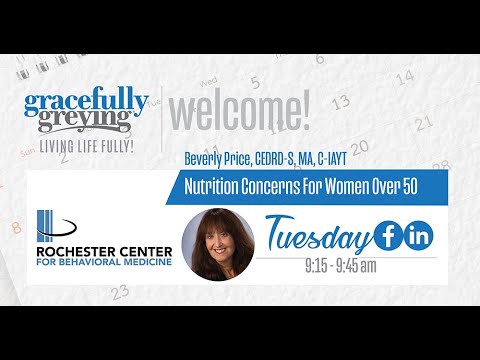
Nutrition Concerns for Women Over 50 | with Beverly Price
Rochester Center for Behavioral Medicine’s Beverly Price, a Certified Eating Disorders Registered Dietitian, joins us to discuss 'Nutrition Related Concerns for Women Over 50'. Learn about triggers for eating disorders, heart disease, weight control and management, exercise, and helpful solutions to a journey of a more healthy lifestyle.
Couples Counseling
Marni Stone, LMSW, is a graduate of the Couples Institute. In this video, she discusses how she can help couples and families with communication skills, coping techniques, patterns of interaction, and other important areas of stress.
Hear from Dr. Hutton
Sarah Hutton, MD, RCBM's Associate Medical Director, specializes in women's health, which includes pre-menstrual dysphoric disorder, peri and post-partum depression, and issues surrounding menopause.
What is Premenstrual Dysphoric Disorder (PMDD)?
Elizabeth Sweet, DNP, APRN, PMHNP-BC discusses PMDD, which is a severe form of premenstrual syndrome (PMS) that causes intense emotional and physical symptoms, such as extreme mood swings, anxiety, and depression, in the week or two before menstruation. These symptoms can significantly disrupt daily life and relationships. Lizz also discusses treatment options.
Women and Trauma
Melissa Oleshansky, PhD discusses how she works with women recovering trauma, including CBT, trauma-focused or gentle-body based therapy. Dr. Oleshansky also recommends daily health habits to reduce stress and walks you through deep breathing and grounding exercises.Meet the Providers Who Offer Care for Women’s Mental Health and Wellness

Sarah Hutton, MD, Associate Medical Director
Read More

Aundreah Walenski, LMSW
Read More

Elizabeth Sweet, DNP, APRN, PMHNP-BC
Read More

Erika Samulak, MA, LPC
Read More

Judith C. Redmond, LPC, LLP, CAADC
Read More

Kasey Downing, LLMSW
Read More

Marni Stone, LMSW
Read More

Sydney Salloum, LPC
Read More

Tracy Weitzman, MA, LLP
Read More

Wendy Saal, MA, LPC
Read More
Related Titles from the RCBM Reading and App list:
And Now We Have Everything: On Motherhood Before I was Ready - By Maeghan O'ConnellAnxiety, Worry, Panic Attacks, Obsessions and Compulsions - By Pamela Wiegartz and Kevin Gyoerkoe
The Pregnancy and Postpartum Anxiety Workbook: Practical Skills to Help You Overcome Anxiety, Worry, Panic Attacks, Obsessions, and Compulsions - By Pamela S. Wiegartz and Kevin L. Gyoerkoe
Me v PMDD - PMDD Tracking App