Eat well, live well: Family Strategies for Healthy Eating Habits
Balanced nutrition is essential for everyone, especially children. It helps children grow strong and stay active. Families play a significant role in how children think about food and eating. Elena Yan, Dietetic Intern, provides tips to help your children eat well and develop a healthy relationship with food.
Different foods contain various types of vitamins and minerals. Iron, calcium, vitamin A, and vitamin D deficiency can negatively impact well-being. In children, nutrient deficiencies can also affect their normal growth. Therefore, feeding your family various foods is crucial to get all the required nutrients. Try these ideas to include a variety of foods in family meals:
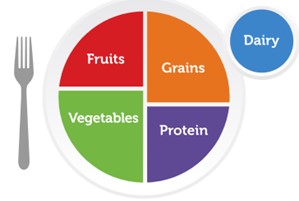
- Colorful Meals with All Food Groups: Including all food groups in the meals ensures your family gets a balanced mix of nutrients. Colorful meals with fruits, vegetables, grains, proteins, and dairy make eating more enjoyable and visually appealing.
- Introduce New Foods Slowly: Give your child small amounts and try different cooking methods when trying new foods. Pair it with something they already like.
- Engaging Kids in Food Preparation: By involving children in food-related activities such as meal planning, grocery shopping, and cooking, they can learn about different foods and their benefits. This hands-on experience makes them more likely to try new foods and enjoy mealtimes.
- Good eating habits help children enjoy their food and eat the right amount. Consider these suggestions for building good habits:
- Regular Mealtimes: Consistent mealtimes help children get the nutrients they need and maintain normal hunger and fullness cues. It also prevents overeating of less nutritious snacks, ensuring children are hungry for their meals and not filling up on foods that don’t provide the essential nutrients they need for growth and development.
- Mindful Eating: Encourage eating without distractions like TV or tablets. Spend 20-30 minutes at each meal chewing thoroughly and savoring the food. This helps children focus on their hunger and fullness and avoid overeating and indigestion.
Children learn a lot by watching their parents. Your attitudes and behaviors towards food can shape your child's eating habits. By setting a good example and creating a supportive food environment, parents can help their children develop lifelong healthy eating practices and positive relationships with food and their body images. Here are some ways to set a good example:
- Set Good Examples: Eat a variety of foods and show enjoyment in front of the children. Avoid negative talk about food and body image.
- Open Communication: Discuss food preferences and any concerns your child may have. Avoid forcing them to eat. Ensure they feel heard and respected.
RCBM's registered dietitians can work with families to develop healthy and nutritious eating habits.