Autism Spectrum Disorder

Autism Spectrum Disorder (ASD) is the name for a group of developmental disorders. ASD includes a wide range, “a spectrum,” of symptoms, skills, and levels of disability. People with autism (ASD) often have some of these characteristics: ongoing social impairments such as difficulty communicating and interacting with others, repetitive behaviors, oversensitivity to sensory stimulation (tactile, sound, smells, taste, bright lights), and restricted range of interests or activities. These symptoms are typically recognized in the first two years of life. These symptoms impact the individual’s ability to function at school or work, family functions, or other areas of life.
Autism is a spectrum disorder with symptoms ranging from mild to severe. Treatments and services, including early intervention, can improve behavioral, developmental, educational, and social/emotional functioning. According to the Centers for Disease Control and Prevention (CDC), around 1 in 36 children has been identified with some form of autism.
Autism Spectrum Disorder FAQs
What is Autism Spectrum Disorder (ASD)?
Autism Spectrum Disorder (ASD) is the name for a group of developmental disorders. ASD includes a wide range, “a spectrum,” of symptoms, skills, and ability levels. Individuals with Autism (ASD) are neurodivergent, meaning their brain perceives the world and processes stimuli differently. This is typically exhibited through deficits or impairments in social interactions and communication and repetitive or restrictive behaviors. ASD differs for each person, thus emphasizing its “spectrum” of characteristics.
Share Link: What is Autism Spectrum Disorder (ASD)?
How is ASD diagnosed?
At RCBM, our screening and comprehensive psychological evaluation programs serve distinct but complementary roles in the diagnostic process. Diagnostic screening is always the first step—a targeted assessment to identify symptoms, guide accurate mental health diagnoses, and support a treatment plan. If the clinician believes the screening results may indicate ASD and a formal medical diagnosis is warranted, a referral for a comprehensive ASD evaluation will be made. Often, a diagnosis includes a level specifier to indicate the severity and required support. Typically, a formal diagnosis is not made before age 2 as many traditional behaviors of ASD are developmentally appropriate before 24 months of age.
The following components of the evaluation are individualized based on the referral.
Intake
- One hour
- Conducted virtually
- It will be discussed if additional tests, record reviews, or interpretations are required based on the referral.
Evaluation
- Approximately two-three hours
- In-person at our office
Feedback
- Scheduled three to five weeks after completion of the evaluation to review the findings and recommendations
- The time required varies depending on the referral concerns and individual needs.
Cost: While the intake and feedback sessions are billable to insurance companies, the in-person evaluation component is not billable to any insurer. The cost of the evaluation will be determined upon referral or completion of the interest form.
Please complete the interest form for comprehensive psychological testing, which includes evaluations for autism spectrum disorder along with specific learning disorders, accommodation testing, guardianship evaluations, and other related services. The evaluation is done in person.
Share Link: How is ASD diagnosed?
What are the symptoms of ASD?
It is important to note that no two individuals present with the same experience or symptoms. Behaviors also depend on an individual’s age, gender, and developmental stage. While the list below is not exhaustive, some common behaviors might include:
Ongoing social problems and difficulty communicating or interacting with others
- Not engaging in reciprocal conversation
- Lack of social play or joint attention
- Difficulty understanding social cues or maintaining eye contact
- Limited language or nonverbal
Repetitive behaviors
- Hand flapping, rocking, swaying, tip-toe walking
- Repetition of the same word or phrase
- Continually lining up objects or toys
Sensory issues
- Preferred food textures
- Discomfort with certain clothing materials or tags
- Overstimulated by loud noises or physical touch
Limited or fixated interests or activities
- Limited/restricted diet (May be sensory/texture-related)
- Speaking inclusively about a specific topic or interest
Difficulty or inflexibility with coping, change, or transitions
- Difficulty transitioning from one activity to another
- Emotional dysregulation occurs if things do not go as planned
- Inability to cope with sensory overload
- Poor frustration tolerance that may result in aggression or self-harm
- Cognitive perseveration stemming from some anxiety or worry
- Delayed processing and response time
Share Link: What are the symptoms of ASD?
What is the treatment for ASD and what type of support is available?
While ASD is not curable, several treatments and supports can improve behaviors and quality of life. RCBM offers psychotherapy, medication management, and medical nutrition therapy. Additional treatment options and approaches include occupational therapy, feeding therapy, speech therapy, and social/recreational autism-friendly events such as support groups, camps, and adaptive services. Another prominent evidence-based treatment for ASD is Applied Behavioral Analysis (ABA). RCBM does not offer this treatment but can help identify agencies that do and may be covered under insurance.
An essential first step after an ASD diagnosis is education. Our therapists will help explain and orient our patients and/or their parents to understand ASD better and help individuals gain insight and validation into their own experience on the spectrum. Additionally, our therapists are trained to assist patients with autism in developing social skills, emotional regulation, sensory sensitivity, and executive functioning skills. Based on developmental age, the treatment also includes skill building for activities of daily living, social interactions (i.e., dating), and preparing for employment. For younger patients, this involves parent education and skills training.
Parents play a crucial role in advocating for their school-aged children. They may be eligible for an Individualized Education Plan (IEP), offering additional school-based treatments, including occupational, speech, and physical therapies and social skills groups. For college-aged patients, many programs support neurodivergent students, including specific ASD dormitories and other support services offered by local disability centers.
Several community-based resources and recreational support include social skills groups, group therapy, and camp programs for those on the spectrum. Many individuals with autism may benefit from holistic treatments such as equine, music, or aquatic therapy. Michigan has several providers specializing in job training, independent living, etc. Our therapists can help provide resources to navigate these opportunities. Individuals may also be eligible for home-and-community-based services through Michigan’s Waiver Program and Community Mental Health. You can read more about this here: https://www.michigan.gov/mdhhs...
Medical nutrition therapy is also an essential adjunct in the management of ASD. Individuals with ASD often lack vitamins D and C, calcium, folate, magnesium, phosphorus, zinc, and iron. They also tend to have lower macronutrient intakes (energy, carbohydrates, protein, and fiber) due to selective/limited eating preferences, including sensory challenges.
Supplements for ASD therapy include vitamin B6, vitamin C, vitamin D, vitamin B12, fatty acids (omega-3 fatty acids and cod liver oil), melatonin, folic acid, l-carnitine, iron, magnesium, zinc, and copper. Our registered dietitians can develop a personalized nutrition plan to help manage ASD through nutrition rehabilitation.
Share Link: What is the treatment for ASD and what type of support is available?
How effective is treatment for ASD at RCBM?
Treatments and services for individuals with Autism can improve a person’s symptoms and ability to function. Early intervention focused on social skills education.
From a nutrition intervention standpoint, it is important to implement large prospective controlled trials to investigate serum levels of folic acid in individuals with ASD. Studies have found that vitamin B6 and magnesium addiction to a person’s diet reduces anxiety and aggression, improves eye contact, increases intelligence quotient (IQ), and improves social interaction. In a recent double-blind, randomized controlled trial involving oral vitamin D supplementation (300 IU vitamin D3/kg/day), it was found that children with ASD significantly reduced core ASD symptoms as a result of supplementation compared to the control group.
Share Link: How effective is treatment for ASD at RCBM?
How do I get started with ASD treatment at RCBM?
If you are interested in treatment at RCBM, you can initiate the admission process by completing a new patient registration form. Once you submit the form, we will match you with one of our qualified clinicians who specializes in treating ASD. Please note that individuals must be residents of Michigan. We are committed to helping you, or your loved one live a quality life and look forward to working with you.
Share Link: How do I get started with ASD treatment at RCBM?
Watch: Expert Insights on Autism Spectrum Disorder

Autism Spectrum Disorder
Yvonne Stumpf, MSN, RN, CS, NP explains Autism Spectrum Disorder (ASD) and our services at RCBM.
ASD and Testing Accommodations
Ashley Ceresnie, PhD, LP discusses how full psychological evaluations help school age children through adults understand IQ, academic achievement, along with emotional and social functioning. RCBM provides an in depth assessment for learning differences, ASD and testing accommodations. A detailed report follows testing along with a feedback session to review results and tailor a treatment plan to meet individual needs.Meet the Providers Who Offer Care for Autism Spectrum Disorder

Alexandra Siegel, MA, LLP
Read More

Allison McKee, LMSW
Read More

Ashley Ceresnie, PhD, LP
Read More

Jillian Fortain, PhD, LP, NCSP
Read More

Katherine Huyghe, LMSW (formerly Tessmar)
Read More

Rachel Kwiatkoski, LMSW
Read More

Taylor Drozd, LMSW
Read More
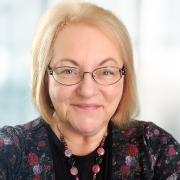
Yvonne Stumpf, MSN, RN, CS, NP
Read More
Services and Programs to You Might Also Be Interested In
Read More
Read More
Read More
Read More
Read More