
Every BODY Belongs: Understanding Weight Stigma and Eating Disorders
“You’re not sick enough.”
It’s a painful phrase that dismisses a person struggling with an eating disorder. Eating disorders do not have a certain look, they can come in any size. Many people with eating disorders share a painful experience of being dismissed or told they are “not sick enough” because of their body size (1). Sophia Pirela, Andrews University Dietetic Intern at RCBM, discusses further.
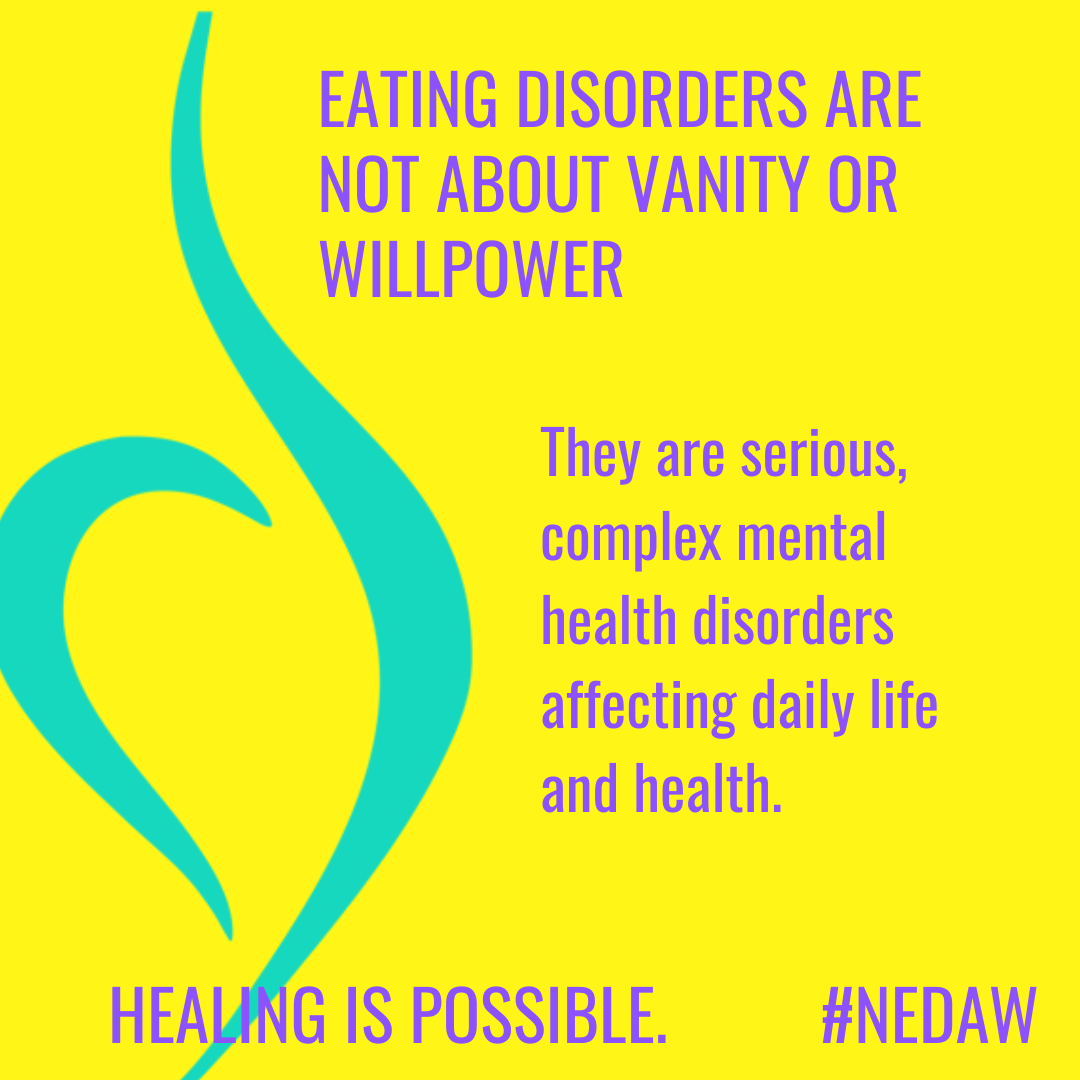
National Eating Disorders Awareness Week (NEDAW) 2026 aims to promote awareness and change the narrative. This year’s theme, “Every BODY belongs,” is a reminder that eating disorders do not discriminate by size (2). Understanding how weight stigma contributes to these conditions is important if we want to support those who are struggling (3,4).
What is Weight Stigma?
Weight stigma is the discrimination and negative treatment that people experience because of their body size (5). It can show up in many settings, including healthcare facilities, workplaces, schools, and everyday interactions. People with larger bodies often face unsupported assumptions about their health and lifestyle (5). There is a widespread but incorrect belief that body weight is entirely within personal control. Some assume that thinness represents discipline while higher weight reflects laziness (5).
Weight stigma differs from body image concerns. Body image is personal and internal; it's about how you feel about your own body. While weight stigma is external discrimination. It involves how others treat you and how systems create barriers based on your appearance (6). While weight stigma can certainly damage body image, it represents a broader issue of social justice and fair treatment.
Weight Stigma Impact
Research has found a connection between weight stigma and eating disorder development over the past decade. A systematic review of existing literature found associations between experiencing weight stigma and disordered eating thoughts and behaviors (3). Weight-based teasing, discrimination, and stigmatization have been identified as risk factors for eating disorders, regardless of a person's current body size (4).
When people internalize negative messages about their bodies, a process called weight bias internalization occurs where they begin to believe negative stereotypes about their own weight (6). Research shows this internalization is linked to increased body dissatisfaction and more eating disorder symptoms (6). People may respond by restricting their food intake, binge eating, or purging. These behaviors can serve as coping mechanisms for dealing with the distress caused by stigma, or as attempts to change body size to avoid further discrimination (4,7).
Weight Stigma as a Barrier to Treatment
Weight stigma creates significant barriers to diagnosis and treatment, particularly for individuals in higher-weight bodies. Many people report being told they are "not sick enough" to receive treatment simply because they don't fit the visual stereotype(1,8). Eating disorders in higher-weight individuals are significantly underdiagnosed, with healthcare providers sometimes overlooking symptoms or even recommending weight loss when patients are already restricting food (8).
Atypical anorexia nervosa (AAN) illustrates this challenge. Individuals with AAN meet all the criteria for anorexia nervosa, including significant weight loss, intense fear of weight gain, and body image disturbance. The key difference is they remain at or above a normal weight range (8,9). Despite being labeled "atypical," this presentation is quite common (10). Studies show adolescents with AAN experience comparable problems to those with typical anorexia, including bradycardia, orthostatic instability, and serious psychological distress (9,11,12).
Moving Toward Inclusive Care
Recognizing that eating disorders occur across all body sizes is important for providing appropriate care(7,10). Healthcare providers, families, and communities need to focus on behaviors and psychological symptoms rather than appearance. You cannot determine whether someone has an eating disorder simply by looking at them. (1,10)
The SCOFF questionnaire can help identify eating disorders regardless of body size (13). Two or more positive responses suggest a possible eating disorder. Help is available regardless of body size. Many people delay treatment because they believe they're "not sick enough," but eating disorders are serious at any weight. Recovery often requires addressing internalized weight stigma as part of treatment (6,7).
Conclusion
The NEDAW theme "Every BODY belongs" emphasizes that eating disorders don't discriminate by appearance, and neither should our care(2). Every person struggling with an eating disorder deserves to be taken seriously and receive appropriate treatment, regardless of body size.
If you or someone you care about is struggling with disordered eating or body image, reach out for support. These are serious mental health conditions requiring professional treatment from a team. At RCBM, there is a multidisciplinary team that includes prescribers, therapists, and registered dietitians who specialize in eating disorders. These providers work collaboratively to provide personalized care (14).
Key Takeaways
- Weight stigma contributes to eating disorder development across all body sizes
- Higher-weight individuals with eating disorders face significant underdiagnosis based on appearance
- Atypical anorexia nervosa is a serious condition that deserves the same clinical attention as typical anorexia nervosa
- Screening should focus on behaviors and symptoms, not physical appearance
- Addressing weight stigma is an important component of eating disorder prevention and treatment
- Everyone with an eating disorder deserves compassionate, weight-inclusive care