Mood Disorders

Mood disorders are characterized by symptoms that can significantly affect a person's stability and overall well-being. These mood changes must be severe or repetitive enough to impact daily life.
Mood Disorders FAQs
What are the different types of mood disorders?
Mood disorders include:
Depression
Depressive symptoms may include feeling sad or hopeless, as well as difficulties with thinking, memory, eating, and sleeping. A diagnosis of clinical depression requires symptoms to persist for at least two weeks.
There are several different types of depression, including:
Depression with psychosis
Severe depression combined with psychotic episodes is characterized by hallucinations (seeing or hearing things that others don't) or delusions (having fixed but false beliefs). People who experience depression with psychosis have an increased risk of suicidal thoughts.
Dysthymia or Persistent Depressive Disorder (PDD)
Dysthymia is a mild but persistent form of Major Depressive Disorder (MDD). It exhibits the same symptoms as sadness or loss of interest in activities that the individual once enjoyed, changes in sleep patterns, appetite, energy level, concentration, daily behavior, and self-esteem. It is a chronic type of depression, typically milder in severity but lasting for two years or more.
Major Depressive Disorder (MDD)
Individuals with Major Depressive Disorder (MDD) often experience persistent and intense feelings of sadness or a lack of interest in activities they used to enjoy. They may also notice changes in their sleep patterns, appetite, energy levels, concentration, daily behavior, and self-esteem for a period of two weeks or more.
Postpartum depression (peripartum depression)
Postpartum depression is a type of depression that can occur in women and people assigned female at birth (AFAB) during pregnancy or after giving birth. The hormonal, physical, emotional, financial, and social changes that occur after having a baby can lead to symptoms of postpartum depression.
Seasonal affective disorder (SAD)
Seasonal Affective Disorder (SAD) is a type of depression that occurs during specific seasons of the year. It usually starts in late autumn or early winter and lasts until spring or summer. In some cases, SAD episodes might begin in late spring or summer. The symptoms of winter SAD are similar to those of major depression, but they typically improve or diminish during the spring and summer months.
Bipolar disorder
Bipolar disorder is a lifelong mood disorder and mental health condition that causes intense shifts in mood, energy levels, thinking patterns, and behavior. There are several types of bipolar disorder, which involve experiencing significant fluctuations in mood, known as hypomanic/manic and depressive episodes.
There are four basic types of bipolar disorder, including:
Bipolar I disorder
People with bipolar I disorder have experienced one or more episodes of mania. Most people with bipolar I will have episodes of both mania and depression. An episode of depression isn’t necessary for a diagnosis.
Bipolar II disorder
Bipolar II disorder causes cycles of depression similar to those of bipolar I. Individuals with this condition also experience hypomania, which is a less severe form of mania. Hypomanic periods aren’t as intense or disruptive as manic episodes, and those with bipolar II disorder are usually able to handle daily responsibilities.
Cyclothymia disorder (cyclothymia)
People diagnosed with cyclothymic disorder have a consistently unstable mood, experiencing periods of hypomania and mild depression for at least two years.
Other specified and unspecified bipolar and related disorders
Symptoms of this type of bipolar disorder do not meet the criteria for one of the other types, but individuals still experience significant, abnormal mood changes.
Other mood disorders
Other mood disorders include:
Premenstrual dysphoric disorder (PMDD)
This mood disorder typically occurs seven to 10 days before menstruation and resolves within a few days after the start of the menstrual period. It is considered a more severe form of premenstrual syndrome (PMS). Researchers believe hormonal changes associated with the menstrual cycle are responsible for this condition. Symptoms may include anger, irritability, anxiety, depression, and insomnia.
Disruptive mood dysregulation disorder (DMDD)
Disruptive Mood Dysregulation Disorder (DMDD) impacts children and adolescents. It is characterized by frequent anger outbursts and irritability disproportionate to the situation. DMDD is more severe than Intermittent Explosive Disorder (IED), and the anger is present most of the time, typically starting before the age of 10.
Share Link: What are the different types of mood disorders?
What are the causes of mood disorders?
Several factors contribute to the development of mood disorders, including:
Biological: The amygdala and orbitofrontal cortex are the brain areas responsible for controlling feelings and emotions. Studies have shown that people with mood disorders often have an enlarged amygdala on brain imaging tests.
Genetic: Individuals with a strong family history of mood disorders are more likely to develop mood disorders themselves, indicating that genetics plays a role in inheriting mood disorders.
Environmental: Stressful life changes like the loss of a loved one, chronic stress, traumatic events, and childhood abuse are significant risk factors for developing mood disorders later in life, particularly depression. Additionally, depression has been connected to chronic illnesses such as diabetes, Parkinson's disease, and heart disease.
Share Link: What are the causes of mood disorders?
How are mood disorders diagnosed?
RCBM is committed to accurately and thoroughly diagnosing mood disorders in individuals of all ages through our psychological screening process. All patients undergo a comprehensive diagnostic interview to understand their history and current concerns. Additionally, psychological testing helps us pinpoint the specific type of mood disorder along with co-occurring disorders.
Share Link: How are mood disorders diagnosed?
How are mood disorders treated at RCBM?
Psychotherapy
Cognitive behavioral therapy (CBT): This structured and goal-oriented psychotherapy is used by mental health professionals to treat or manage mental health conditions and emotional concerns. CBT combines behavioral exposure therapy and cognitive restructuring to help the patient confront avoidance, correct negative automatic thoughts, and return to optimal functioning.
Dialectical behavior therapy (DBT): DBT is a form of talk therapy based on cognitive behavioral therapy (CBT) but specifically adapted for individuals with intense emotions.
Psychodynamic therapy: This type of therapy is based on the concept that behavior and mental well-being are influenced by experiences during childhood and problematic repetitive thoughts or feelings that are outside of your awareness.
Medication management
Medications that RCBM providers may prescribe to help treat mood disorders include:
Antidepressants: The most commonly used drugs to treat depression and depressive episodes of bipolar disorder are selective serotonin reuptake inhibitors (SSRIs). Similar to SSRIs in their action, serotonin and norepinephrine reuptake inhibitors (SNRIs) are also frequently prescribed. Although studies indicate that different types of antidepressants work equally well, some may be more effective for certain individuals. Typically, it takes four to six weeks for an antidepressant to begin working. It is crucial to take antidepressants as prescribed and continue taking them even if you start feeling better.
Mood stabilizers: Certain medications are used to regulate mood swings associated with conditions like bipolar disorder. These medications work by reducing abnormal brain activity. In some cases, healthcare providers may prescribe mood stabilizers alongside antidepressants. Some commonly used mood stabilizers include lithium and anticonvulsant drugs.
Antipsychotics (neuroleptics): People experiencing mania or mixed episodes in bipolar disorder may be treated with atypical antipsychotic drugs. Atypical antipsychotics are also prescribed to treat depression if symptoms aren’t controlled with an antidepressant alone..
SPRAVATO®
RCBM has a robust SPRAVATO® program. SPRAVATO® (esketamine), is manufactured by Janssen Pharmaceuticals. This medication is used adjunctively with antidepressant medications for treatment-resistant depression. Our medical director, Dr. Joel Young, was a primary investigator during the SPRAVATO® clinical trial.
Taken along with an oral antidepressant, SPRAVATO® is the first nasal spray medication specifically for adults with treatment-resistant depression.
Taken along with an oral antidepressant, SPRAVATO® is the first nasal spray medication that treats depressive symptoms in adults with major depressive disorder with suicidal thoughts or actions.
Medical Nutrition Therapy
Balanced nutrition can play a vital role in managing depression symptoms and supporting mental health. Our registered dietitians can develop a personalized nutrition plan to help with the management of depression.
Share Link: How are mood disorders treated at RCBM?
Can you tell me more about RCBM’s Spravato program?
Major Depressive Disorder (MDD) is one of the most common mental health disorders in the United States. Treatments such as psychotherapy, medication management, and lifestyle changes may help relieve symptoms. However, other individuals may have Treatment Depression (TRD) and continue to experience symptoms such as persistent feelings of sadness, sleep disturbances, low energy, and thoughts of death or suicide despite trying multiple treatments.
Taken along with an oral antidepressant, SPRAVATO® is the first nasal spray medication specifically for adults with treatment-resistant depression.
Taken along with an oral antidepressant, SPRAVATO® is the first nasal spray medication that treats depressive symptoms in adults with major depressive disorder with suicidal thoughts or actions.
The U.S. Food & Drug Administration approved SPRAVATO® on March 5, 2019, and is only available to patients at certified treatment centers in the United States, such as Rochester Center for Behavioral Medicine (RCBM).
SPRAVATO® is a prescription medication, used along with an antidepressant taken by mouth, for TRD in adults.
This treatment is approved for adults ages 18 and older.
Learn more about our SPRAVATO® program here.
Share Link: Can you tell me more about RCBM’s Spravato program?
How effective is treatment for mood disorders at RCBM?
Psychotherapy
CBT is particularly effective for mood disorders. The hallmark of CBT is the patient’s role in learning and practicing skills outside the session to maximize the therapeutic benefit of this therapy. In mood disorders, the patient will learn coping skills to master tasks often thought too arduous for the depressed patient. The use of CBT with or without medication management is addressed, and the ultimate decision is made between the patient and the RCBM Professional.
Medication Management
The process of finding the right medication to treat your specific mood disorder might involve some trial and error. Your healthcare provider could initially prescribe a specific drug taking into consideration any other issues you may be dealing with, like anxiety or difficulty sleeping, or based on their prior success in treating depression in other patients.
Please remember that it may take up to eight to 12 weeks of consistently taking antidepressants as prescribed to see their full benefit and to determine whether a medication is a good fit for you or if another option may be better.
Medical Nutrition Therapy
Studies show that regular meals help maintain blood sugar levels and support overall mood stability. In addition, foods high in omega-3 fatty acids, such as fish, nuts, and seeds, fight free radicals and oxidative stress that cause depression symptoms.
Fruits and vegetables contain polyphenols, a significant compound in managing depression symptoms and supporting mental well-being.
Spravato Program
In clinical studies, patients who achieved stable remission with SPRAVATO® augmented with an antidepressant showed a 51% decrease in risk of relapse. In addition, there was a 70% risk reduction for depressive symptoms among those who achieved a stable response compared to an antidepressant alone.
For individuals with TRD
In clinical studies, improvement of depressive symptoms was demonstrated at four weeks by SPRAVATO® plus an oral antidepressant, compared with a placebo nasal spray plus an oral antidepressant. Not all patients will respond to SPRAVATO®.
For individuals with MDSI
In clinical studies, those who took SPRAVATO® and an oral antidepressant experienced a more significant reduction of depressive symptoms at 24 hours compared to those who took a placebo plus an oral antidepressant. Further decreases were seen consistently through four weeks (25 days) of treatment, so following your healthcare provider's treatment plan is essential. Not all patients will respond to SPRAVATO®.
Share Link: How effective is treatment for mood disorders at RCBM?
How do I get started with treatment for mood disorders at RCBM?
If you are a current patient at RCBM, don't hesitate to contact our office at (248) 608-8800. If you are new to RCBM, you can initiate the admission process by completing a new patient registration form. Once you submit the form, we will match you with one of our qualified clinicians who specializes in treating mood disorders. Please note that individuals must be residents of Michigan. We are committed to helping you, or your loved one live a quality life and look forward to working with you.
How do I get started with treatment in our SPRAVATO® program?
All patients, including external patients referred by their healthcare provider, are required to be evaluated by an RCBM medical provider prior to referral to the SPRAVATO® program. If you are a current patient interested in our program, please schedule an appointment with your provider to determine if the program is an appropriate fit for you.
Patients must have an active diagnosis of either Treatment Resistant Depression (TRD) or Major Depression with Acute Suicidal Ideation (MDSI) to be eligible for treatment with SPRAVATO®.
Patients must have tried and failed several anti-depressant medications along with augmentations. Other exclusions are found on the SPRAVATO® page of our website, along with information on insurances that cover SPRAVATO® treatment.
Share Link: How do I get started with treatment for mood disorders at RCBM?
Watch: Expert Insights on Mood Disorders

What is Major Depressive Disorder?
David Price, LPC, CAADC expounds on major depressive disorder (MDD) along with coping mechanisms for individuals with MDD.
What is Seasonal Affective Disorder?
Karolina Redziniak, LLP explains seasonal affective disorder (SAD), a type of depression that affects people in the fall and winter months, along with the signs, symptoms and treatment.
What is Dialectical Behavioral Therapy?
Aundreah Walenski, LMSW discusses the components of dialectical behavioral therapy (DBT), an evidence-based psychotherapy that is used to treat personality disorders and interpersonal conflicts and how this modality can help individuals live the life they want to live.
What is Cognitive Behavioral Therapy (CBT)?
Dr. Melissa Oleshansky, PhD discusses cognitive behavioral therapy (CBT). This structured and goal-oriented psychotherapy is used at RCBM to treat or manage mental health conditions, stress, unhealthy habits, and emotional concerns.
What is Bipolar Disorder?
Jennifer Lindsey, LMSW explains the differences between bipolar 1, bipolar 2, and cyclothymia along with describing their mood states.
What is the treatment for bipolar disorder?
Jennifer Lindsey, LMSW explains the treatment for bipolar disorder that includes medication management, CBT, DBT, sleep hygiene, rhythmic exercise, support groups, and family education.
The Spravato Program Referral Process
Hailee Mika, Spravato Program Coordinator, explains how Spravato works for treatment-resistant depression and how to refer patients to the Spravato Program at RCBM. Note: As of February 2025, the FDA has approved Spravato as monotherapy for adults living with treatment-resistant depression (TRD).
The Spravato Program Treatment Experience at RCBM
Hailee Mika, Spravato Program Coordinator, discusses your experience in our Spravato Program and eligibility requirements.
Spravato Program at RCBM
Dr. Joel Young discusses the use of Spravato for treatment-resistant depression and how to enroll in our Spravato Program at RCBM.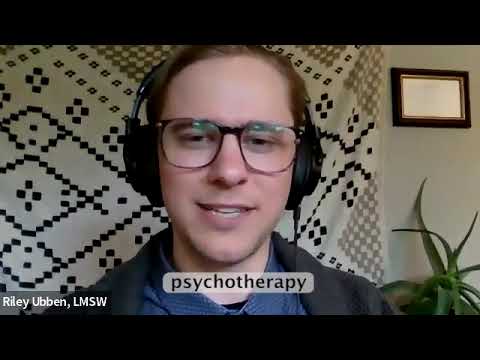
What is Borderline Personality Disorder (BPD)?
Riley Ubben, LMSW explains borderline personality (BPD). Those who struggle with BPD experience intense emotions, are impulsive in their actions, have a strong fear of abandonment and a distorted self-image. Psychotherapy can help individuals with BPD improve their symptoms.
What is Premenstrual Dysphoric Disorder (PMDD)?
Elizabeth Sweet, PMHNP-BC, MSN discusses PMDD, which is a severe form of premenstrual syndrome (PMS) that causes intense emotional and physical symptoms, such as extreme mood swings, anxiety, and depression, in the week or two before menstruation. These symptoms can significantly disrupt daily life and relationships. Lizz also discusses treatment options.
When Mental Health Symptoms Warrant Urgent Care - But Not the ER
Jennifer Stone, LPC, NCC, CAADC discusses when to go to the emergency room for treatment vs urgent care. If you are an immediate risk to yourself including self-harm behaviors or suicidal thoughts, and/or the thought of doing harm to others, an ER visit is warranted. An urgent care visit would be warranted for non life threatening symptoms that impact daily living such as depression, anxiety, panic attack or sleep disturbances. In this situation, stabilization can take place with referral to a professional, such as RCBM clinicians, for long term management.
College Mental Health
Melissa Oleshansky, PhD, RYT, gives advice on how to protect your mental health at college. She cautions against confusing overachievement with wellbeing, as saying yes to everything can leave you depleted. Know when to slow down, create space to think and feel, build in daily movement and fresh air, or call someone. Reach out early - asking for help from a therapist, friend, or family is not a weakness, it's emotional intelligence. You are worth taking care of.Services and Programs to You Might Also Be Interested In
Read More
Read More
Read More
Read More
Read More
Read More
Read More
Read More
Read More
Read More
Read More
Related Titles from the RCBM Reading and App list:
Depression Fallout: The Impact of Depression on Couples & What you can do to preserve the bond - By Anne SheffieldHow you can survive when they’re depressed - By Anne Sheffield
Overcoming Bipolar Disorder: A Comprehensive Workbook for Managing Your Symptoms and Achieving Your Life Goals - By Mark Bauer, Amy Kilbourne, Devra Greenwald, Evette Ludman, and Linda McBride
Rock Steady: Brilliant Advice from My Bipolar Life - By Ellen Forney
What to do when someone you love is depressed - By Mitch Golant & Susan Golant
DBT Coach - DBT Skills and Mood Tracking
Daylio - Daily Mood Tracking App
BeyondNow App
Calm Harm - Self-Harm App