How effective is treatment for anxiety disorders at RCBM?
CBT is particularly effective for the anxiety disorder spectrum, such as panic disorder, post-traumatic stress disorder, obsessive-compulsive disorder, social anxiety disorder, and specific phobias. The hallmark of CBT is the patient’s role in learning and practicing skills outside the session to maximize the therapeutic benefit of this therapy. In mood disorders, the patient will learn coping skills to master tasks often thought too arduous for the depressed patient. The use of CBT with medication management is addressed, and the ultimate decision is made between the patient and the RCBM professional.
Using the cognitive-behavioral techniques of flooding and systematic desensitization, the therapist and patient can work together to safely reintroduce situations that have become too anxiety-provoking for the patient. Over time, irritability, flashbacks, and nightmares subside, the patient can return to their pre-trauma functionality, and long-term success is within reach.
Continue to work with your healthcare provider to determine the best medication combination and dosage for you. Do not adjust the dosage or discontinue medications without consulting your provider first. Your prescriber will monitor your progress to ensure the medicines are effective and do not cause any adverse side effects.
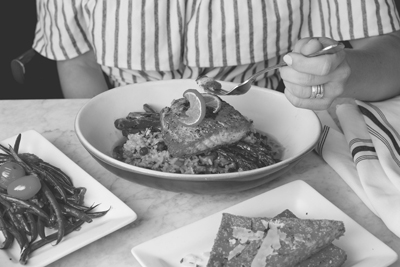
Medical nutrition therapy is also an essential intervention that works together with psychotherapy. Complex carbohydrates such as brown rice, oats, whole wheat, beans, and legumes can help increase serotonin levels in the brain, promoting peace and well-being. In addition, probiotics are helpful, as recent research shows a correlation between the lack of beneficial bacteria and microbes in your gut, resulting in anxiety. Our registered dietitians can help you include foods to manage your gut as an adjunct to treating your anxiety.