5 Tips To Control Your Mental Health During The COVID-19 Quarantine
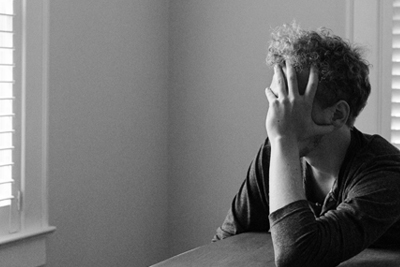
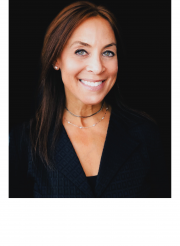
The COVID-19 Pandemic and the Government-Issued Stay-at-Home, Stay Safe Quarantine ARE taking a toll on the mental health of Americans. Prior to the Coronavirus (Covid-19) outbreak, it was reported that one in five Americans suffered from a serious mental illness, such as mood and anxiety disorders. With the Stay-at-Home, Stay Safe Quarantine in place, the toll of the quarantine on mental health poses a serious concern for a rising number of mental health cases and suicide in America. RCBM's Melissa Oleshansky (Dr. "O"), PhD, LP, RYT provides advice on this significant issue.
It is common for individuals to feel isolated, sad, angry and frightened during traumatic times. The current lockdown prevents us from seeing family and friends. It represents a loss of established daily routines. There is increased stress over the uncertainty of your finances and how to pay bills. And the looming presence of fear that you or someone you love will become infected with COVID-19.
It is time now, more than ever, to seek out support to manage your mental health so that you do not feel helpless or hopeless in a time of such uncertainty.
Dr. O discusses ways to manage your mental health during the Covid-19 quarantine. Here are her top five strategies that you can implement today:
Prepare Yourself with Proper Health Hygiene: First, be mindful of your feelings, acknowledge them, and take control over them. You can prepare yourself with good health hygiene by calming your mind and worry through daily meditation and deep breathing relaxation techniques. In her counseling sessions, Dr. O often provides guidance on how to meditate. In addition, take precautions to prevent the spread of the virus by following CDC guidelines on hand-washing and use of hand sanitizers. The latest guidelines also encourage you to cover your mouth and nose with a homemade cloth or scarf when going out in public.
Stay Informed: The COVID-19 virus is a round-the-clock topic on social media and on the news. Limit your exposure to media resources so you feel in control over what information you do need to know to stay informed. Too much information can stress the mind and the body. Designate one to two times throughout the day to check reputable sources for the latest information on the outbreak. Some reputable news or government sources to review are, but not limited to, the Centers for Disease Control, cdc.gov, the World Health Organization, who.int, and the news of the respective state in which you reside that is generally found on the state government website.
Create a Daily Routine: One of the aspects that you DO have control over during this uncertain time is your daily routine. Create some structure starting with the time you wake up in the morning, eat regularly in order to fuel your body, plan how you will work remotely and/or help your kids with their daily school work. Designate when you will stretch or exercise indoors or outside as the weather permits. Have some down time for enjoyable activities, along with having a structured bedtime routine to promote rest and relaxation. Adhering to a schedule aids in strength and control over daily life’s events, along with helping minimize stress, anxiety, and depression.
Stay in Touch: Physical social distancing and stay-at-home orders are in place to protect everyone. The Covid-19 quarantine is designed to slow the spread of the disease but does not mean we need to disconnect from each other. There is a risk that quarantine can increase feelings of depression, loneliness, and social anxiety. To prevent these symptoms from manifesting, it is recommended to stay in touch with friends and family. Set up a Face Time,Skype, Google Hang out or Zoom “date” with at least one person every day. Or if you are out walking in the neighborhood, try waving to other neighbors to acknowledge your care and connection. Seeing family or friends through technology, or in the neighborhood, can help you feel connected and can also provide a sense of reassurance that other people are getting through this time.
Obtain Support: Everyone can benefit from mental health support during stressful times in life. This is a time where psychiatrists, psychologists, social workers, professional counselors, psychiatric nurse practitioners, physician assistants and registered dietitians can help offer you psychotherapy, medication management and nutrition support to help manage your mood, emotions and nutrition health. At RCBM, practitioners have moved to telehealth remote services using a private and confidential HIPAA compliant platform called Zoom. All telehealth services are easy and accessible to use on a mobile phone, IPad, or computer.
During this trying period, we can all find ways to rise to the occasion, help each other, and remember that this, too, shall pass.