Eating for Better Sleep
Sleep problems are a big issue in the United States. More and more adults report having sleep problems, including difficulty falling asleep and difficulty maintaining sleep. In 2024, 30.5% of adults in the United States averaged less than 7 hours of sleep per day, and only 54.8% reported getting enough sleep. What’s even worse, some chronic diseases are related to long-term lack of sleep. For example, obesity, diabetes, hypertension, heart disease, stroke, anxiety, and depression are associated with insufficient sleep (CDC, 2026). With the increase in sleep problems, more and more research is working on solutions, including improving sleep through diet. Yixiao Zhou, RCBM Dietetic Intern, explores the relationship between nutrition and sleep.

A Mediterranean-Style Diet May Support Better Sleep
When talking about foods that can help with sleep, what comes to mind are certain types of foods, such as tart cherry juice, warm milk, kiwi fruit, or snacks rich in magnesium. However, sleep can benefit more from an overall dietary pattern.
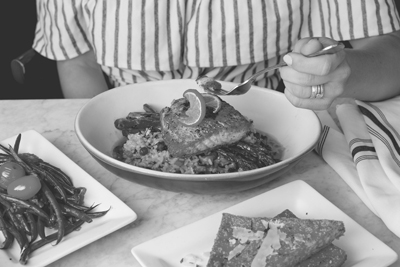
The Mediterranean diet is a dietary pattern that is linked to better sleep outcomes. The characteristics of this type of diet include a high intake of plant-based foods, such as fruits, vegetables, legumes, nuts, and whole grains. It also contains many sources of unsaturated fats, such as fish and olive oil (Scoditti et al., 2022). By properly combining various foods and nutrients, the Mediterranean diet forms a healthy dietary structure. The evidence shows that the greater the adherence to the Mediterranean diet pattern, the more likely people are to get adequate sleep duration and better sleep quality (Zuraikat et al., 2020).
Poor Sleep Can Also Make Healthy Eating Harder
The relationship between sleep and diet is not one-way. When sleep is limited, people tend to consume more total energy, and their intake of fat and saturated fat may also increase. Their appetite for carbohydrates increases, and snack consumption becomes more common.
This change may be related to multiple factors. Lack of sleep can increase time awake and may also alter appetite, food-reward responses, and taste perception, making high-energy foods more attractive when one is fatigued (Zuraikat et al., 2021). In other words, insufficient sleep not only makes people feel tired the next day, but also leads people into unhealthy eating habits.
What Can You Actually Do?
A more feasible approach is to gradually adopt the Mediterranean diet pattern by increasing your intake of fruits, vegetables, beans, lentils, whole grains, nuts, seeds, fish, and olive oil in your daily diet. For example, add beans to soups or rice, have fruit as a snack in the afternoon, choose oatmeal or whole-grain bread for breakfast, have more vegetables at dinner, or eat more fish and plant-based proteins more frequently each week.
Also, it is necessary to avoid certain foods that can affect sleep, especially in the afternoon and at night. Drinks that contain caffeine, such as coffee, energy drinks, tea, and soda, may affect sleep. Although alcohol may make you feel relaxed, it is unfavorable for a complete night’s sleep and may give you a headache the next morning. High-sugar beverages and sweets can affect blood sugar and hormone fluctuations. Highly processed foods and foods high in saturated fat, such as fried foods, hamburgers, and many packaged snacks, can affect the digestive system. These can all lead to poor sleep quality.
To conclude, one key to getting good sleep is focusing on your daily dietary habits. We can begin with some small, achievable steps, such as eating a nutrient-balanced meal and skipping high-fat foods; using fruit, yogurt, and nuts to replace some packaged snacks; and increasing the portions of beans, vegetables, and whole grains in daily meals. By doing this, you can help your body get into a stable, comfortable state of rest at night.
References
- Ng, A. (2026). Short Sleep Duration and Sleep Difficulties Among Adults: United States, 2024. NCHS Data Brief, 559. https://doi.org/10.15620/cdc/2...
- Scoditti, E., Tumolo, M. R., & Garbarino, S. (2022). Mediterranean Diet on Sleep: A Health Alliance. Nutrients, 14(14), 2998. https://doi.org/10.3390/nu1414...
- Zuraikat, F. M., Makarem, N., St-Onge, M.-P., Xi, H., Akkapeddi, A., & Aggarwal, B. (2020). A Mediterranean Dietary Pattern Predicts Better Sleep Quality in US Women from the American Heart Association Go Red for Women Strategically Focused Research Network. Nutrients, 12(9), 2830. https://doi.org/10.3390/nu1209...
- Zuraikat, F. M., Wood, R. A., Barragán, R., & St-Onge, M.-P. (2021). Sleep and Diet: Mounting Evidence of a Cyclical Relationship. Annual Review of Nutrition, 41(1). https://doi.org/10.1146/annure...