Telemedicine Helps RCBM Reach Patients at Home
RCBM is proud to be on the cutting edge, in the treatment of patients, using telemedicine. In this week’s blog, we discuss the world of telemedicine with RCBM’s Paige Jonna, MSBS, PA-C and what it can mean for your options in treatment.
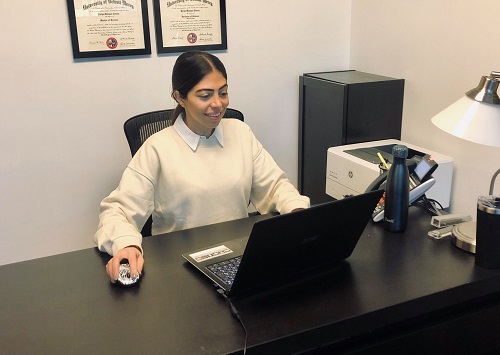
Beginning with the basics, telemedicine uses technology that allows clinicians to perform a medical or psychological evaluation and consult with a patient via video interaction. Using a HIPAA secure platform called Zoom, both patient and the clinician can see and talk to each other via video. Zoom is available for use on a desk top, or patients can download the Zoom app on their iPhone or android. Telemedicine has been gaining popularity for the last several years. In fact, it’s helping to improve access to mental health care for people in rural areas and underserved communities.
Telemedicine is a growing field can be beneficial to both the clinician and patient. “Telemedicine helps the medical community by optimizing a clinician’s time. It also provides a treatment option that allows patients to remain in the comfort of home,” Ms. Jonna says. “It’s great in that it eliminates barriers that might cause patients to cancel appointments, such as traffic, car trouble, time off from work and childcare.”
RCBM initiated telemedicine with the use of Zoom in January 2020 as a way to improve access to medical and mental health care for our patients, including medication management, psychotherapy and medical nutrition therapy. If a patient has been approved by a clinician for telemedicine, the patient can schedule an appointment the same way they do with an in-person appointment. However, telemedicine may not be the best option for everyone.
“I would consider the severity of a condition,” says Ms. Jonna. “Certain patients dealing with severe, debilitating symptoms may require in-person visits. Depending on the patient profile and medication, each patient will have different requirements for in- person visits.”
For many, the telemedicine experience is very similar to an in-person appointment. At the time of the appointment, the patient logs into Zoom via a HIPAA secure link provided by RCBM, waits in the virtual waiting room until the clinician is ready, then the clinician logs on and the appointment begins.
“From there, the appointment is conducted in the same manner as an office appointment,” Ms. Jonna explains. “Many patients seem to be more relaxed not having to deal with travel, traffic and even waiting rooms.”
Two groups that are experiencing the positive impacts of telemedicine are college students and parents. Ms. Jonna says college students living away can still see their doctor without an interruption in treatment. Parents who are caring for children can keep their appointments from home.
“When [college students] are away for school, it makes it more difficult to follow up regularly,” Jonna points out. “Between commutes, exams and activities, telemedicine makes it possible for them to stay with their established provider. It’s helpful for parents, too. I have had a patient call and cancel due to a sick child at home. In this case, we’re able to conduct the appointment online without the patient having to miss it.”
Our telemedicine program is in the early stages, but so far, Ms. Jonna says it’s working well. It’s another way RCBM is putting our patients’ needs and lifestyle first. If you’re interested in telemedicine, please discuss with your clinician at RCBM to ensure that you are a candidate.