The Age of Resilience: Helping Older Adults During COVID-19
The COVID-19 Pandemic has impacted all of our lives, but perhaps the most profound impact has been on older adults. Those in the older adult population should be especially cautious. According to the CDC, eight out of ten COVID -19 deaths are among adults ages 65 years and older. Older adults in their 60s and 70s are at risk for developing a severe illness with COVID -19, especially those with co morbid health conditions. The most serious at risk are those age 85 years and above. RCBM’s Helene Kroll, LMSW, CAADC shares her insight and recommendations to support the concerns of older adults during COVID-19.
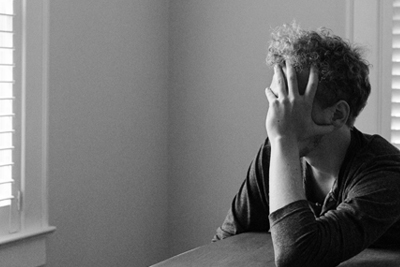
Many of the older adults I have worked with respond to the pandemic with anxiety, depression, feelings of frustration and loss. Most experience feelings of isolation from their family and friends, wondering if their lives will ever return to normal. Many are angered that they cannot do the activities they use to enjoy, wondering how long this will go on. Lunch with friends, a visit with children and grandchildren are missed.
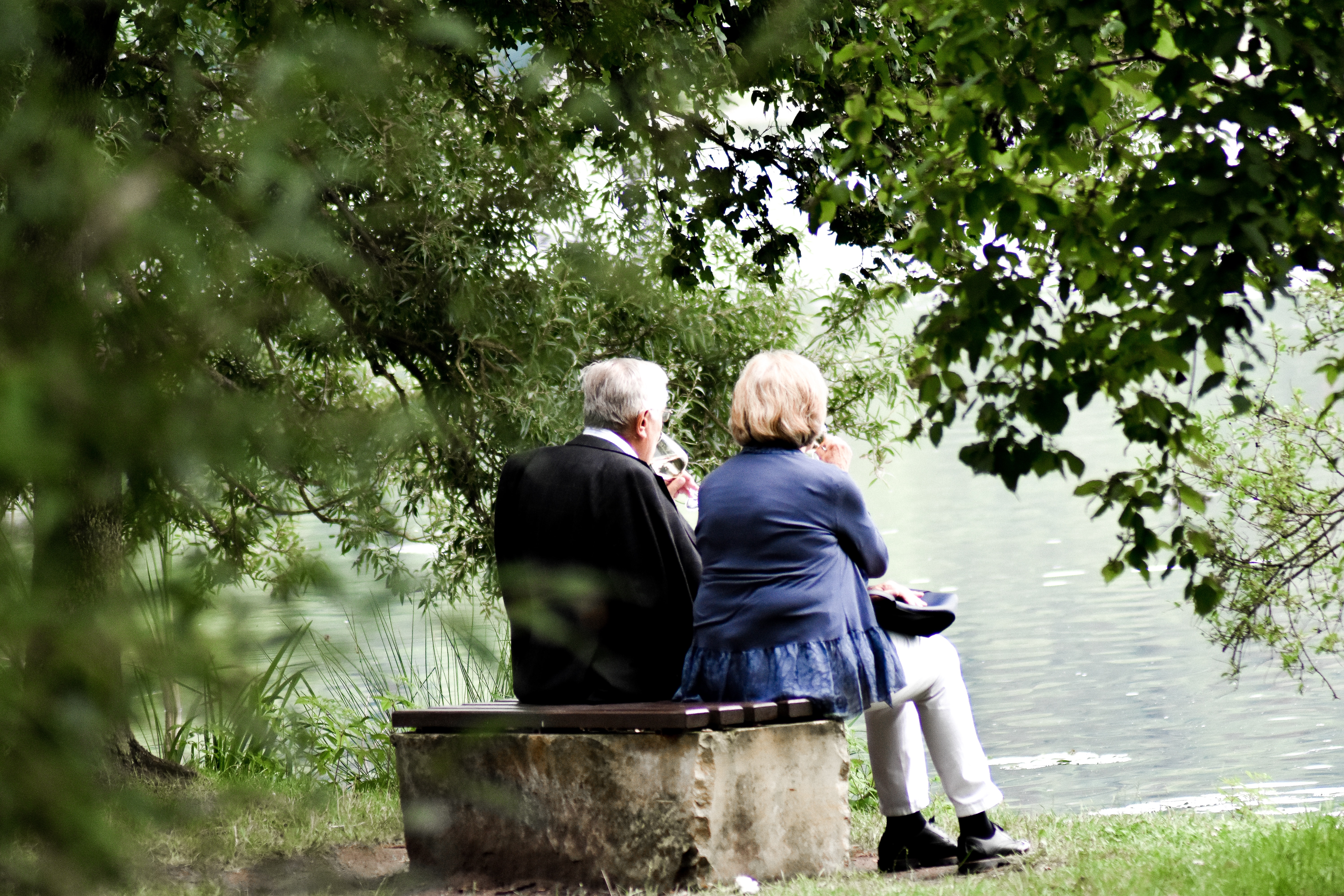
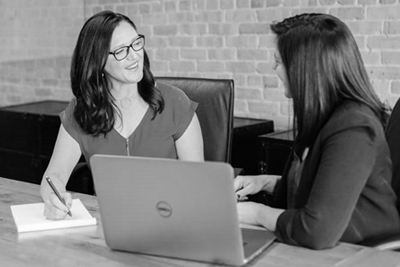
It is helpful for older adults to express their anger and anxiety about how the pandemic affects them. Talking with a physician or mental health professional can help them process and cope with what they are experiencing. There are many creative ways one can stay connected to family and friends. Using the telephone with FaceTime, Zoom, window visits, or simply socializing outside with a mask from a six foot distance are several ways one can interact with others.
Three tips I suggest to older adults are:
1. Disconnect from technology and TV. Limit time watching the news. Continuous updates on COVID -19 over and over again can be depressing and overwhelming. Social media can prevent you from keeping your mind on your current experience.
2. Create your own daily rituals. Be mindful about maintaining your daily activities with the household chores, while keeping meals and sleep regular. Go for walks outside to stay active and connect with nature if possible. Movies, puzzles and crafts are other ways to stay focused and present.
3. Breathe. Taking several deep breaths can increase oxygen saturation in the blood, which boots oxygen in the brain to help calm anxiety, encouraging mindfulness.
Tips for care givers of older adults:
1. Remind your loved one it is normal to feel stressed. The unknown is difficult for all, and we are all in this together.
2. Help your loved one look towards a brighter future. Remind your family member that music, sports eating out, and gatherings with friends and family are going to be missed for a while but this will not be permanent.
3. Have empathy, appreciation and gratitude. Show empathy for your loved one’s loneliness and the changes in their life. Appreciate those who have dedicated their lives to serve the health needs of your loved one.
Older adults can ease anxiety and reduce the risk of becoming infected through preventive measures. When possible, physician appointments can be conducted from home via telemedicine. Delivery options for groceries and personal care items are also available. When items are delivered, they should be wiped down with a sanitizing agent. If the older adult must leave home, a mask should be worn and hand sanitizer used frequently.
If you have questions or are seeking more information on mental health or coping with COVID-19, you can reach a member of the RCBM team by calling (248) 608-8800.
If your anxiety and depression persists, RCBM is here to help. Whether you are an older adult or a caregiver, don’t be afraid to contact us to schedule an appointment with a member of our mental health care team.